
Laboratories
2025
LAB FIAF 225 – Memorie/Memories
Laboratory of photography FIAF (Federazione Italiana Associazioni Fotografiche)
A cumbersome memory
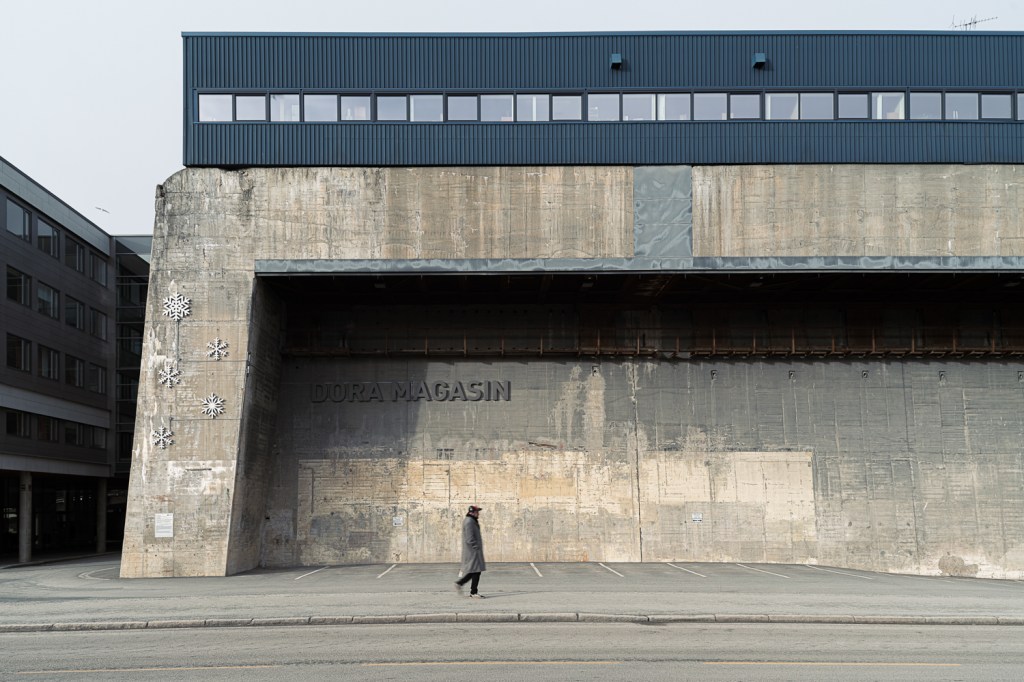
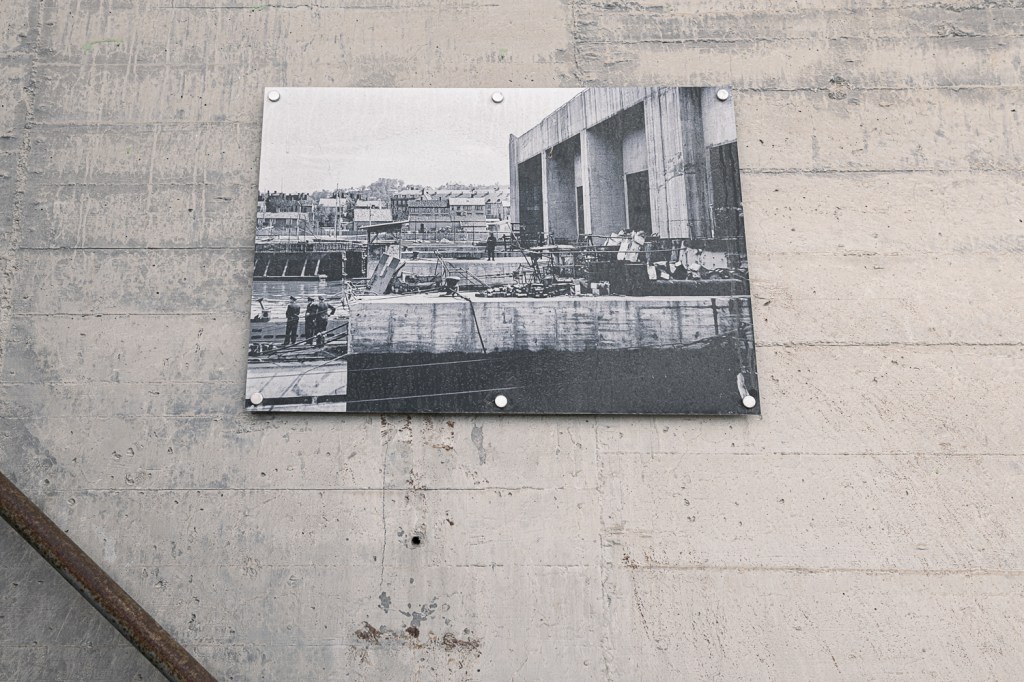
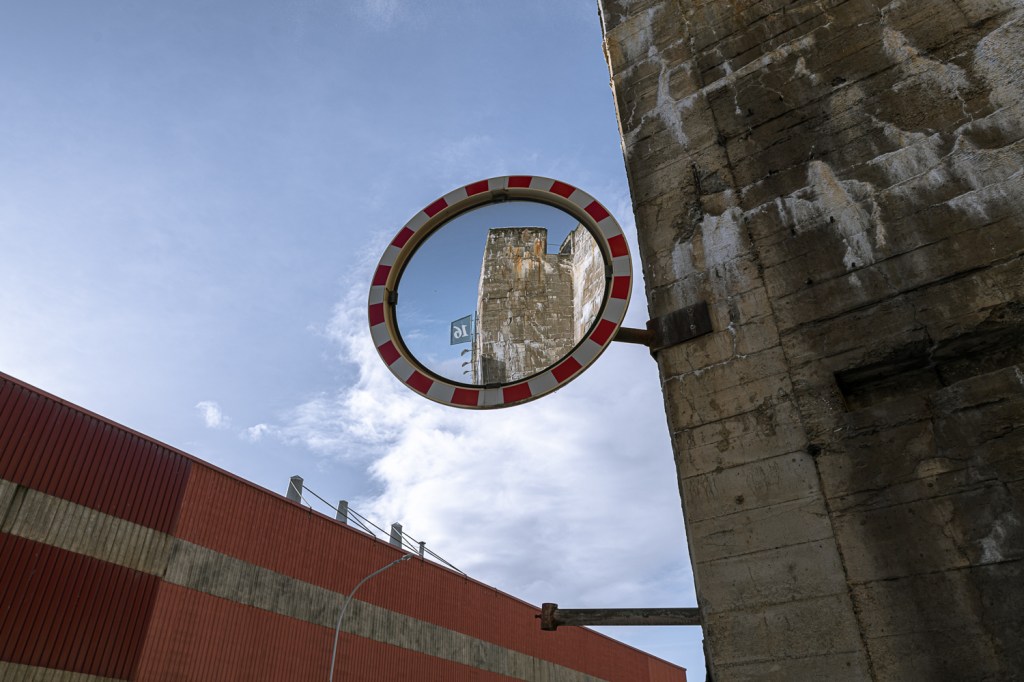
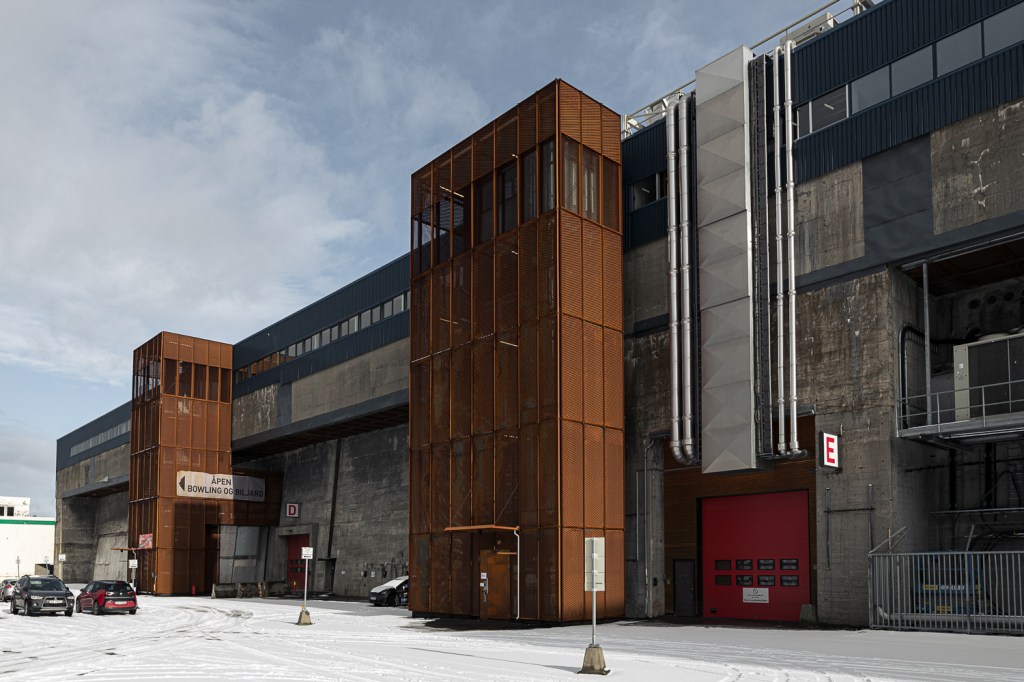
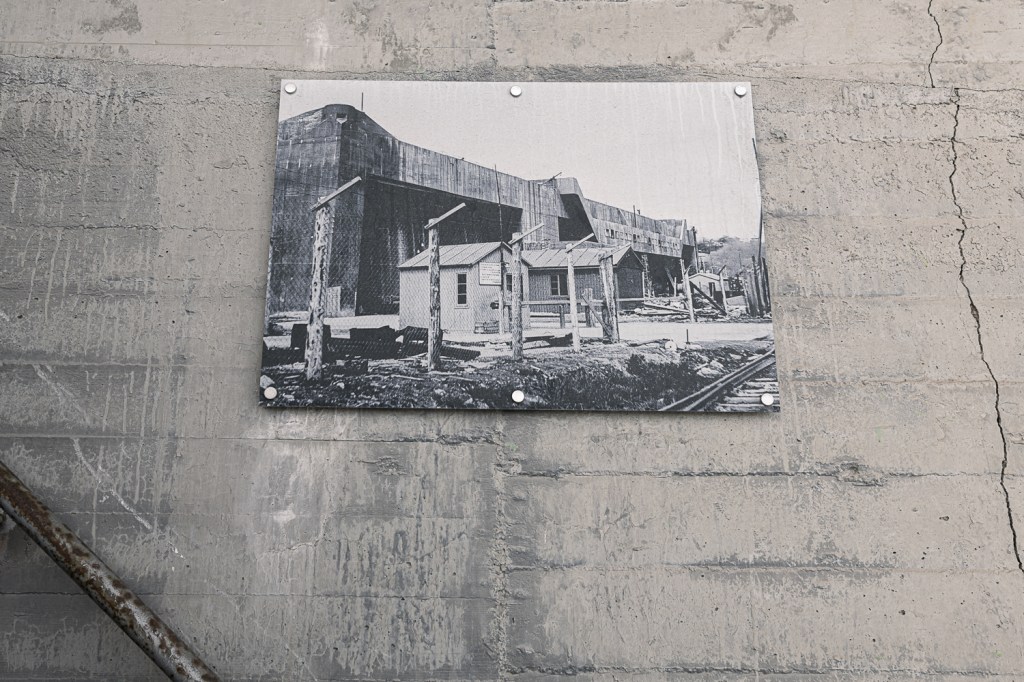
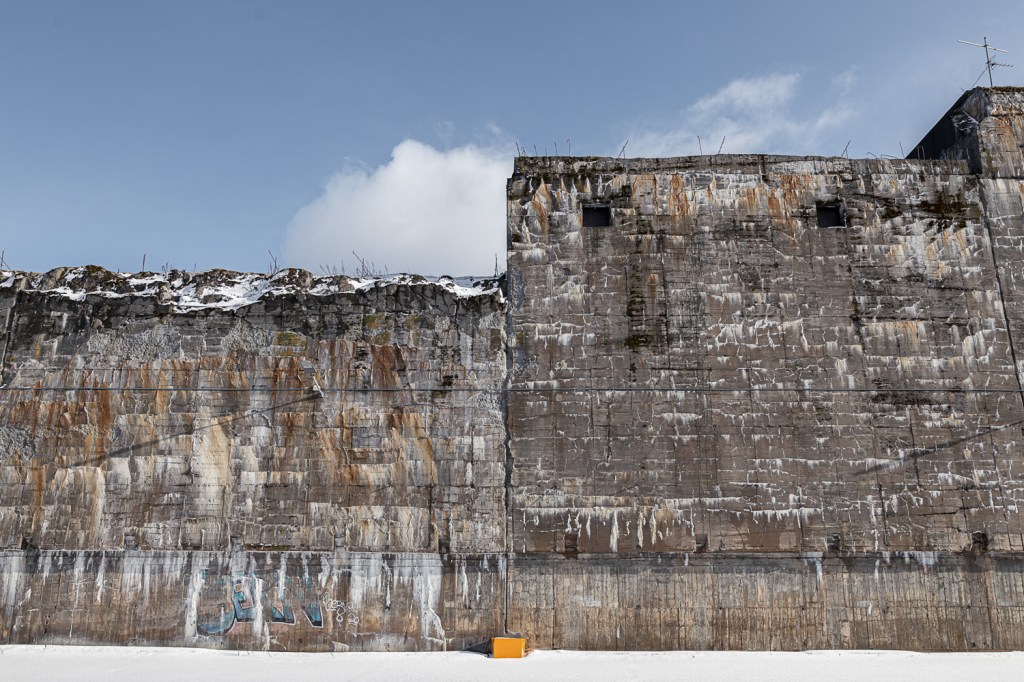
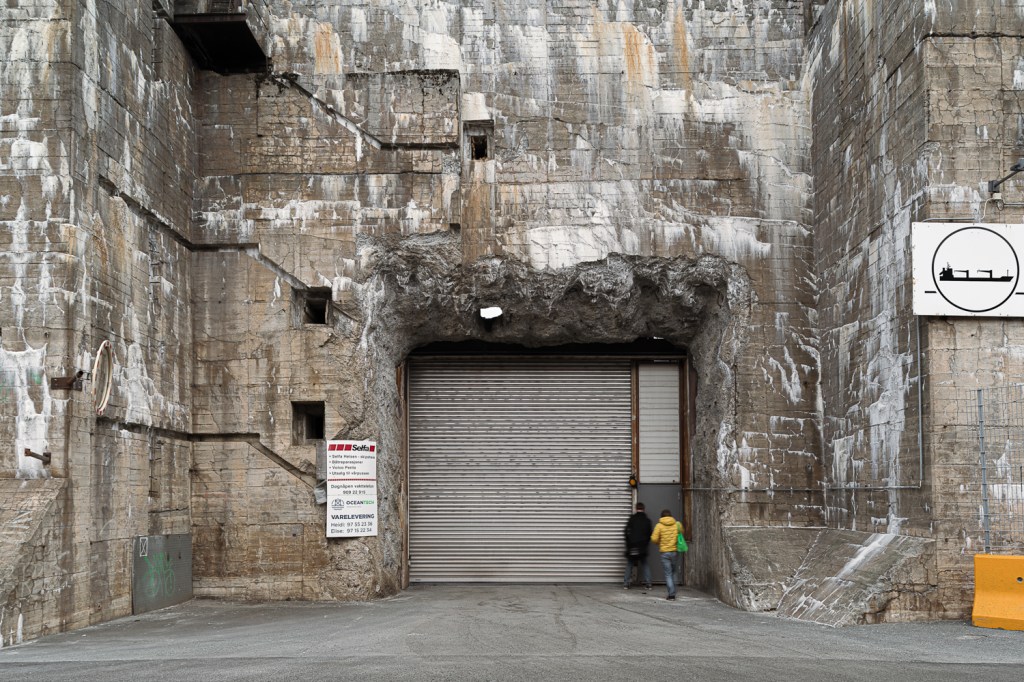
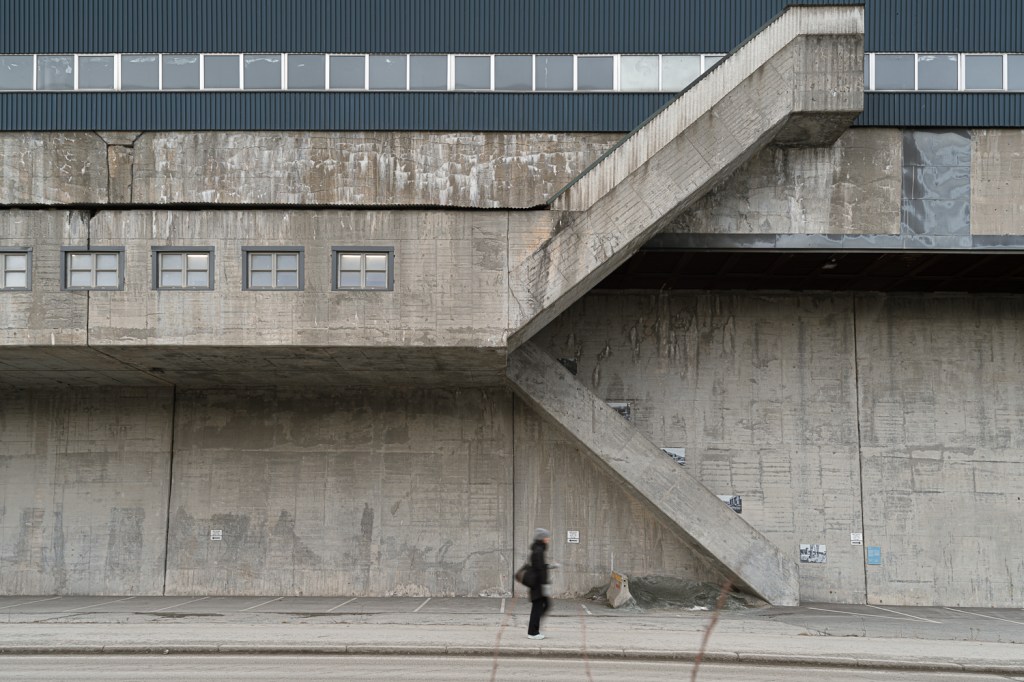
The Dora bunker, located in the city of Trondheim, is one of the most impressive and controversial architectural remains left by the German occupation of Norway during the Second World War. Built between 1941 and 1943 by the Kriegsmarine, the German navy, the bunker was part of a vast system of fortifications designed to protect submarines (U-boats) in the waters of the North Atlantic. The reinforced concrete structure, up to three metres thick, was designed to withstand Allied bombing and served as a logistical and operational base for Nazi submarines.
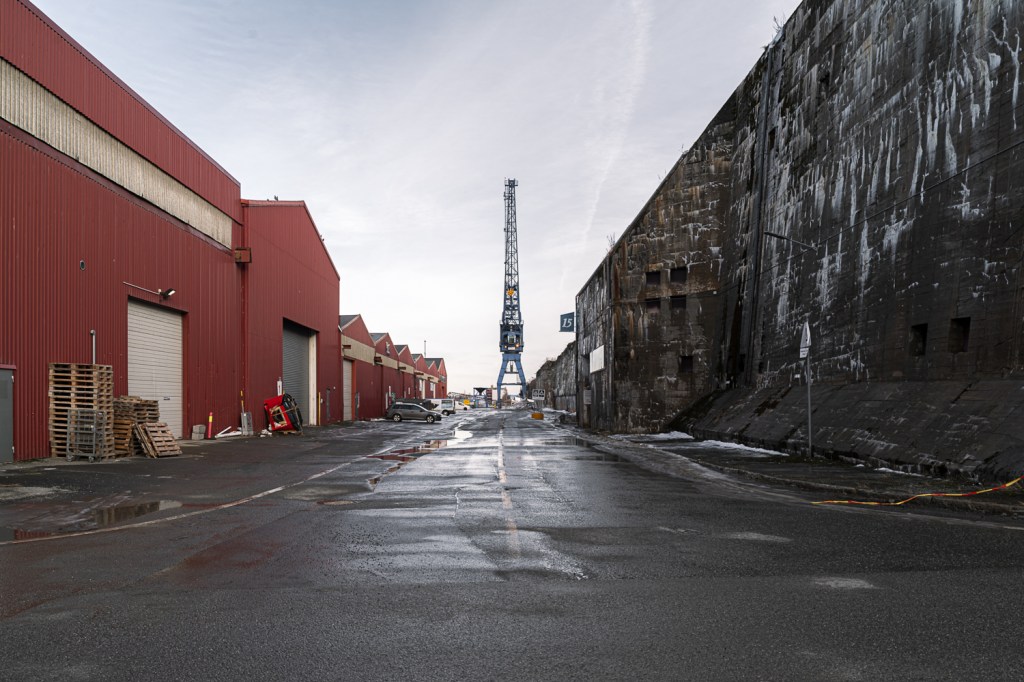
At the end of the war, the bunker remained intact. Due to its solidity and enormous size, any attempt to demolish it proved impractical because of the high costs and the danger posed by the amount of explosives needed for its complete demolition. Thus, Dora became an inescapable presence in the urban fabric of Trondheim, an indelible scar on the landscape and in the collective memory of the city.
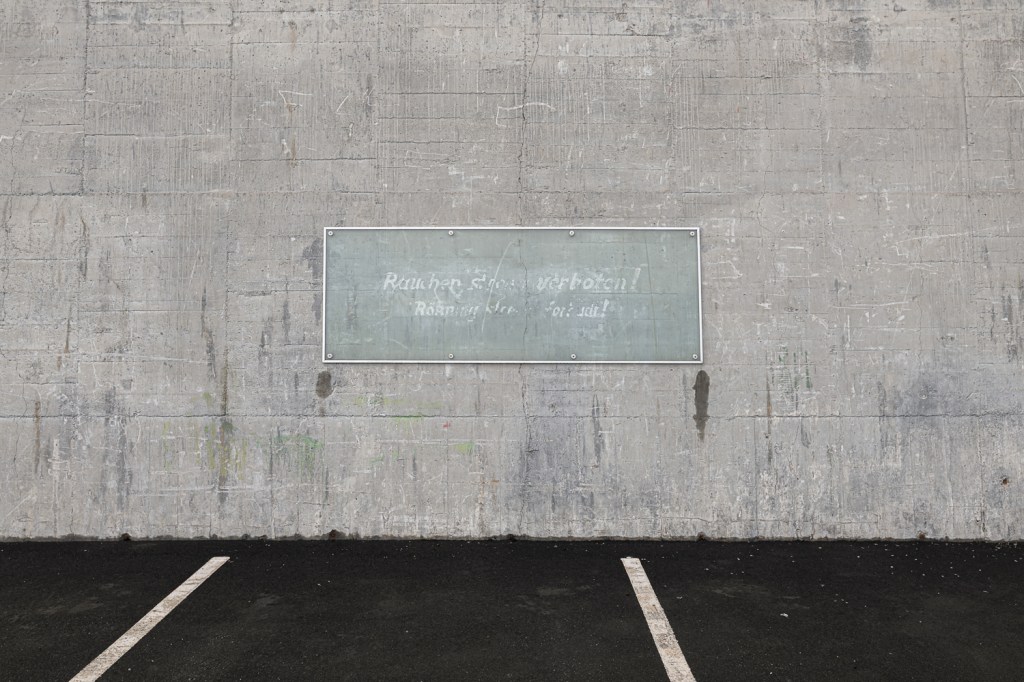
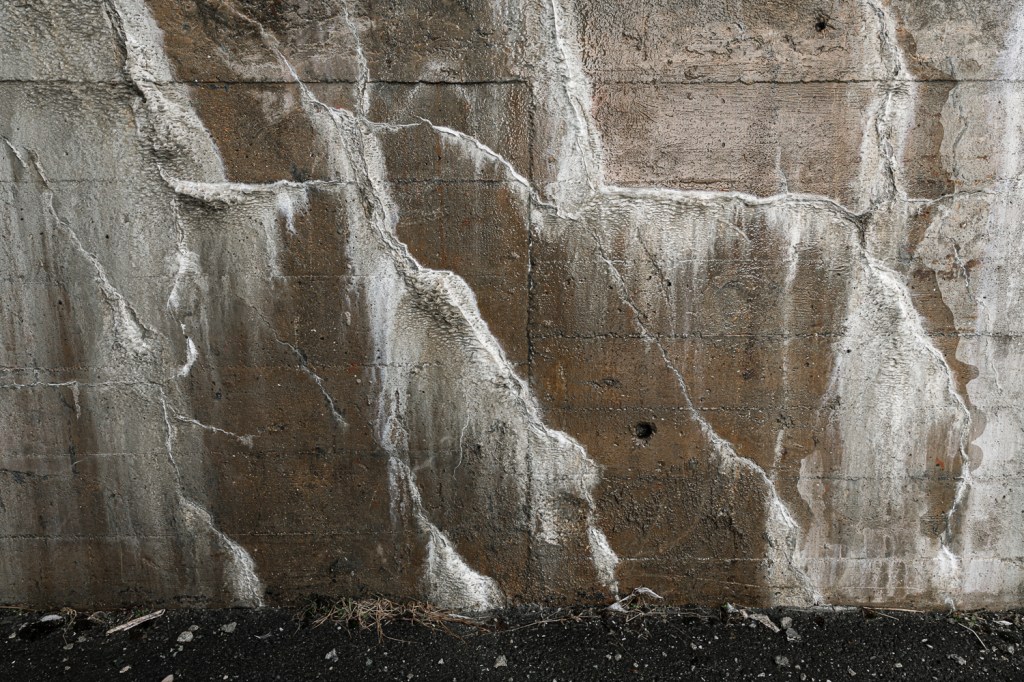
Over the years, the city has sought to find new meanings for this cumbersome legacy. The bunker has been converted and now houses archives, offices, cultural spaces and a museum. The building has become the subject of urban and artistic reinterpretation, an attempt to transform a symbol of oppression into a place of reflection and public utility. Yet, walking alongside its thick walls, marked by time and rust, one can still feel the weight of the past.
This photographic project depicts the Dora bunker not only as an architectural relic, but as a living memory of the city. The images intertwine past and present, history and transformation, concrete becomes skin, the urban landscape confronts its shadows, and the entire city seems to dialogue with what it cannot forget.









2025
LAB FIAF 197 – Memorie/Memories
Laboratory of photography FIAF (Federazione Italiana Associazioni Fotografiche)
External Memory
What connection do we build with history and culture when we observe it through a screen?
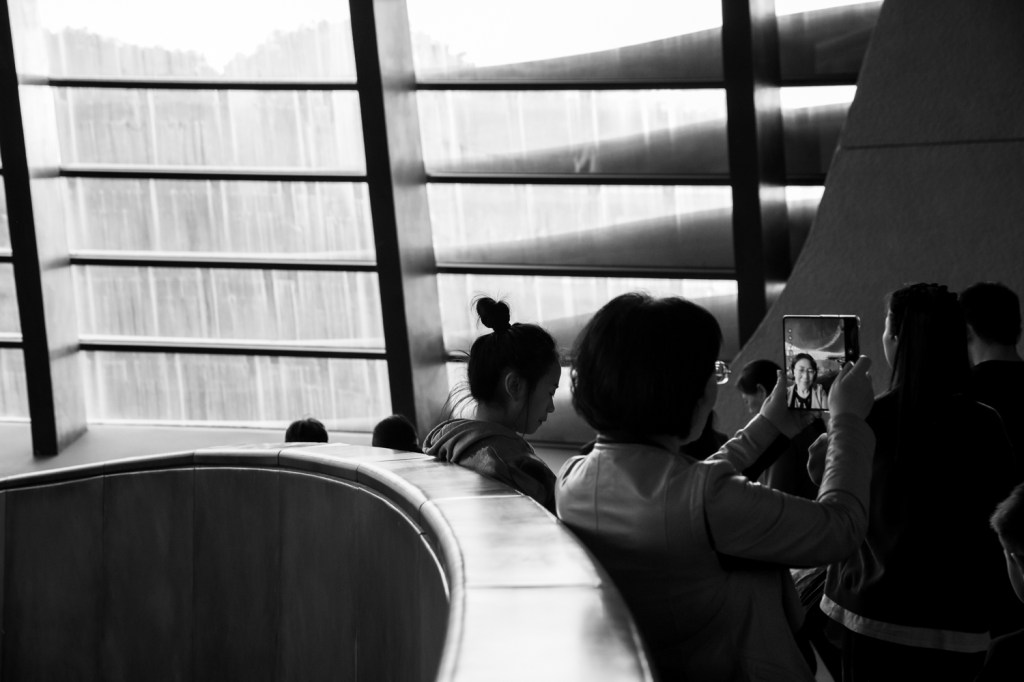
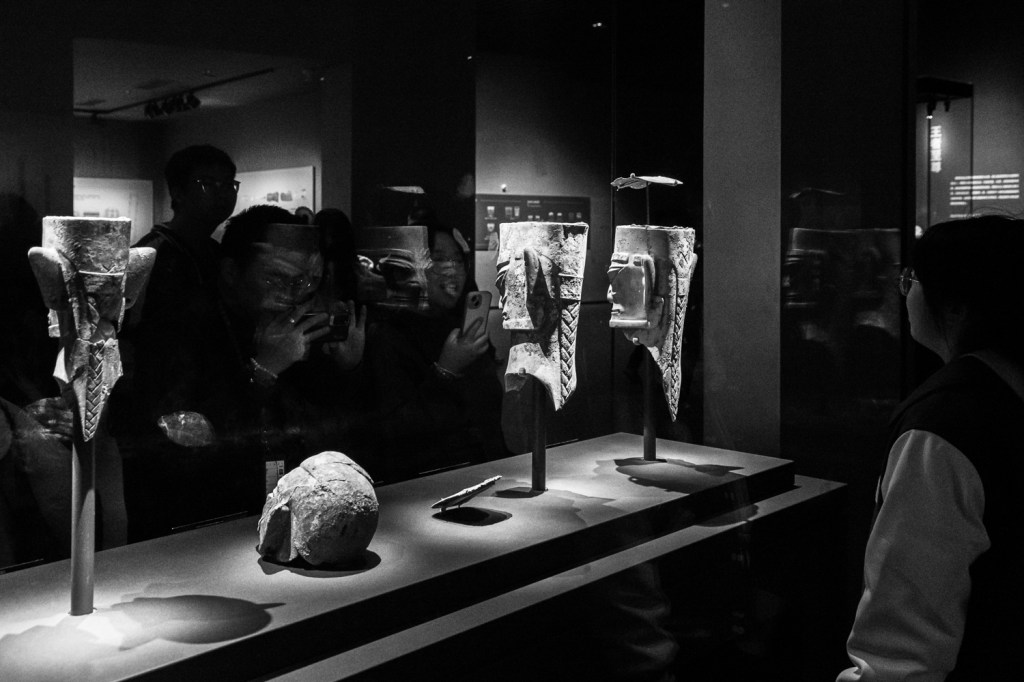
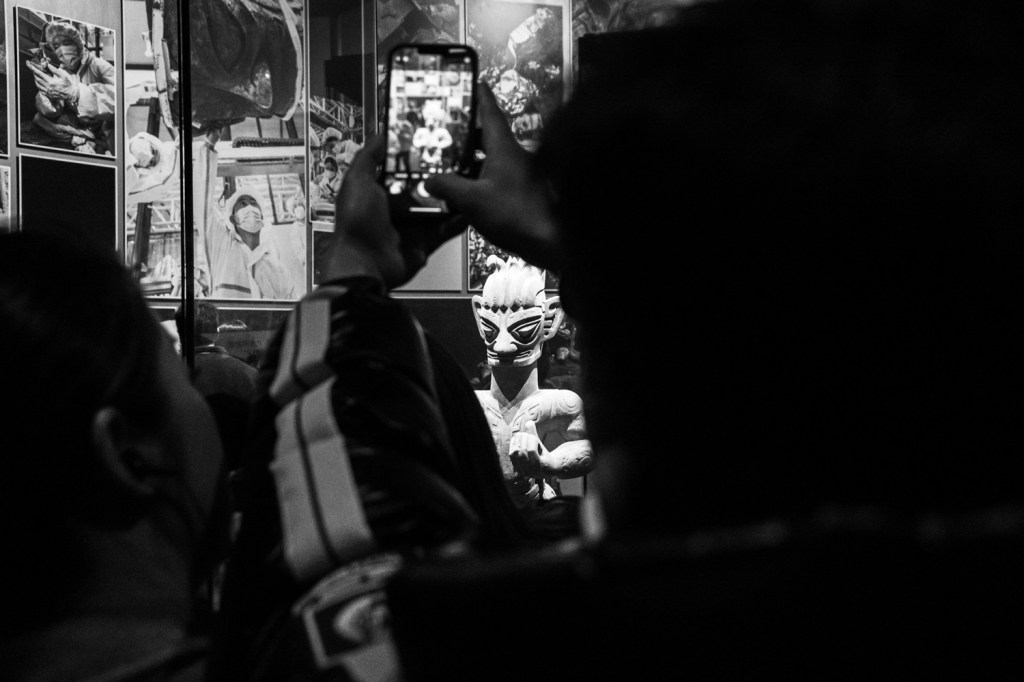
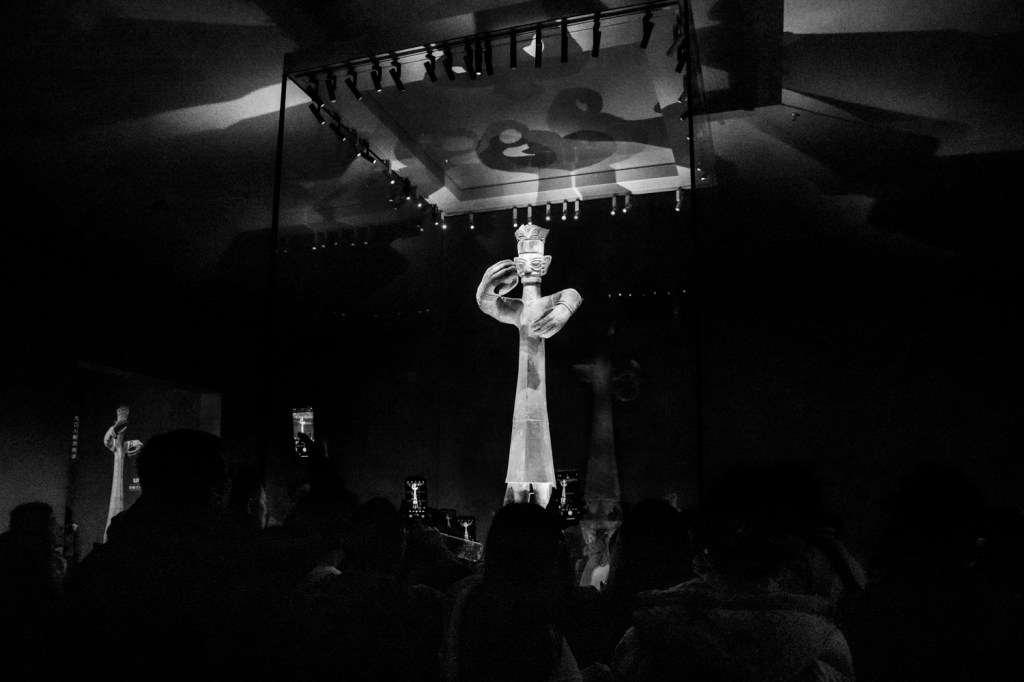
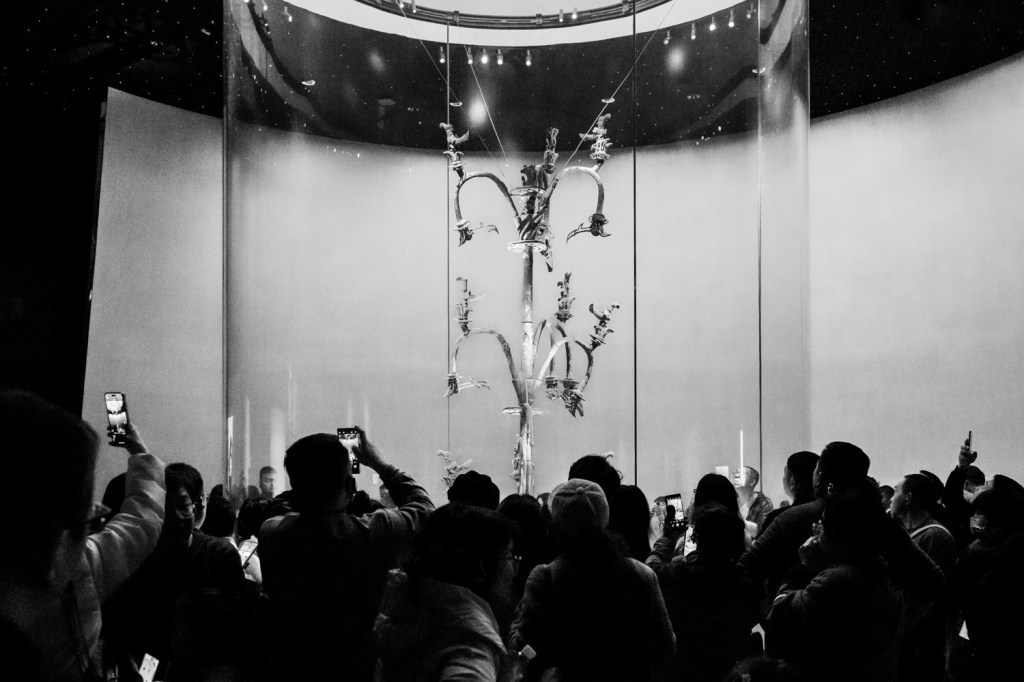
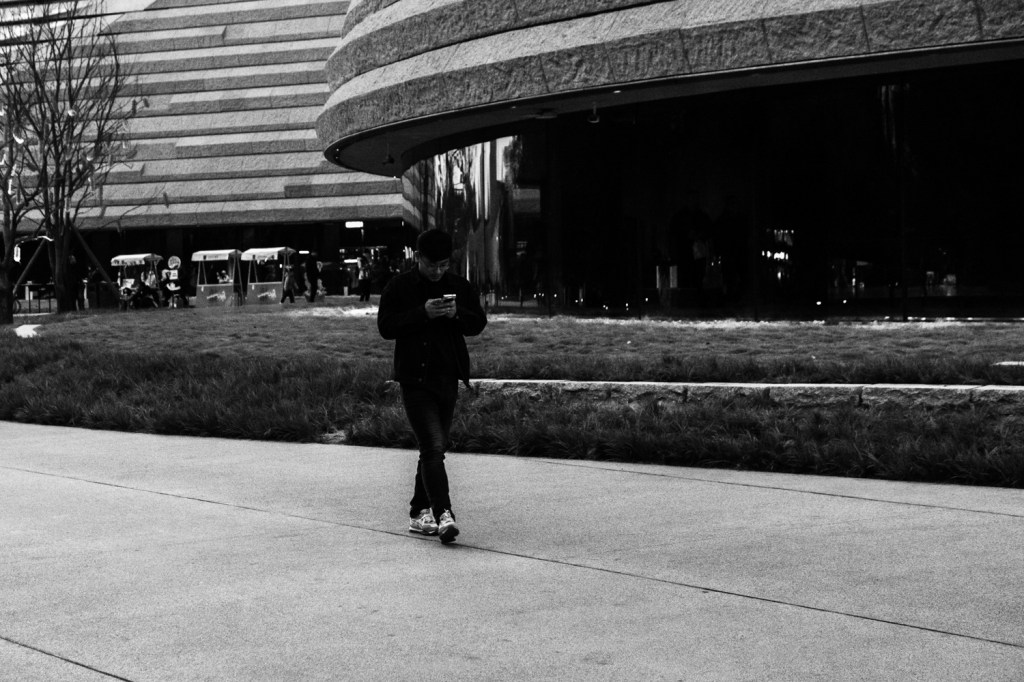
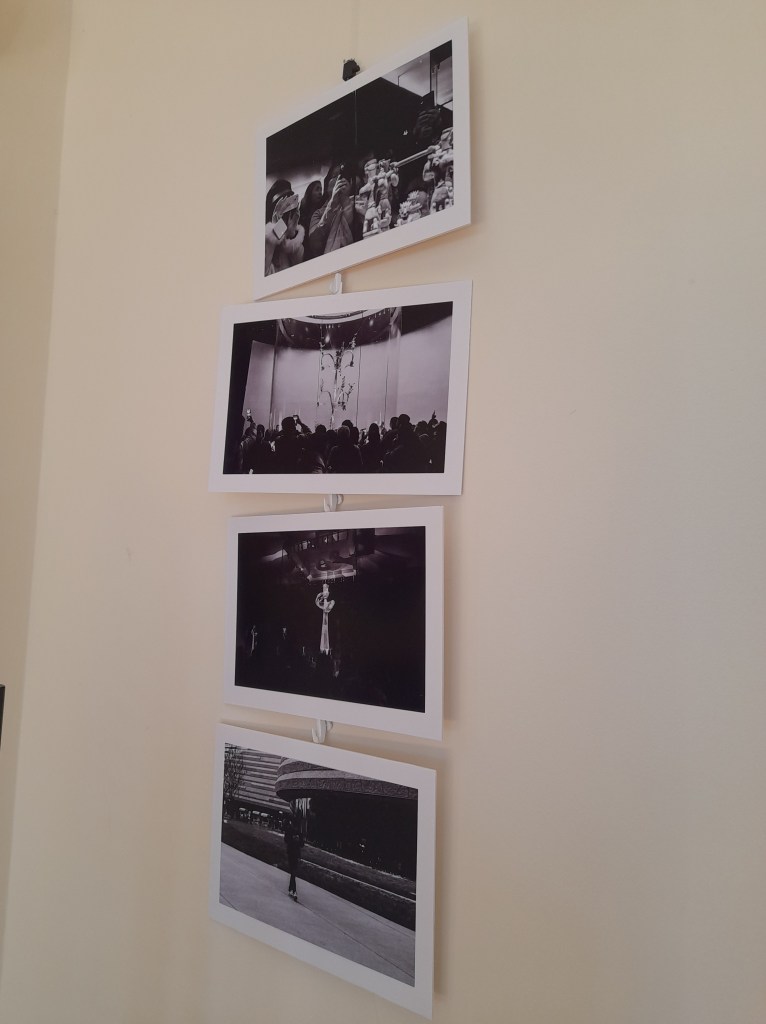
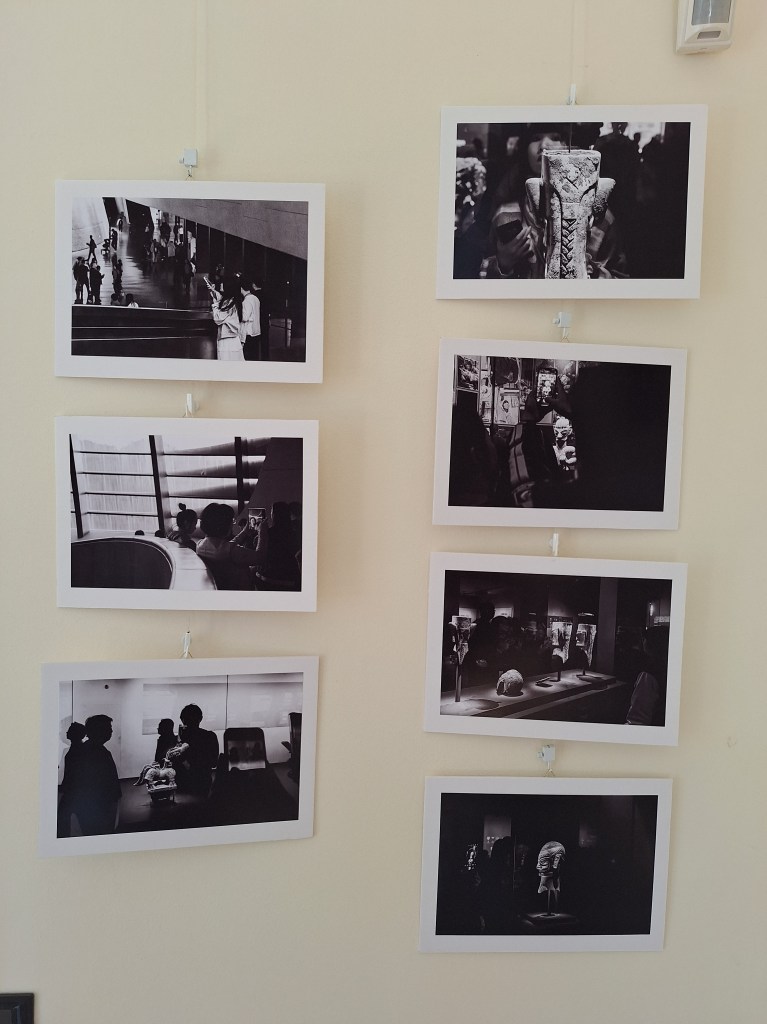
‘External Memory’ is a photographic project that investigates the use of mobile phones as a tool for storing memories, at the expense of direct experience and personal recollection. Set in the evocative context of the Sanxingdui Museum (San Xing Dui Bo Wu Guan), the project aims to explore the contrast between the ancient and the contemporary, the tangible and the virtual, cultural memory and personal memory.
The photographs capture museum visitors interacting more with their devices than with the artefacts on display: they take photos and film videos while around them extends the enigmatic silence of ancient bronze artefacts and mysterious masks, evidence of a forgotten civilisation. The light from the display cases, which should draw attention to the objects on display, mixes with that of the screens, creating an overlap of two eras: one that built memory through time and artefacts, the other that delegates this function to technology. When the technological filter takes priority over direct experience, an emotional fracture is created.






2023
LAB FIAF 124 – Confini/Borders
Laboratory of photography FIAF (Federazione Italiana Associazioni Fotografiche)
Borders
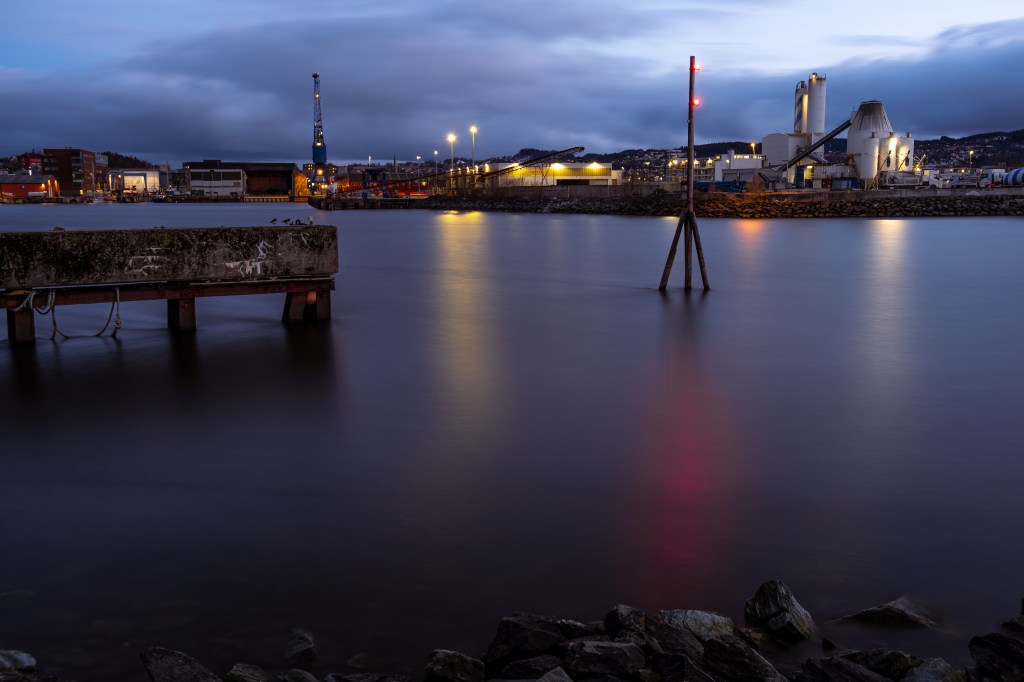
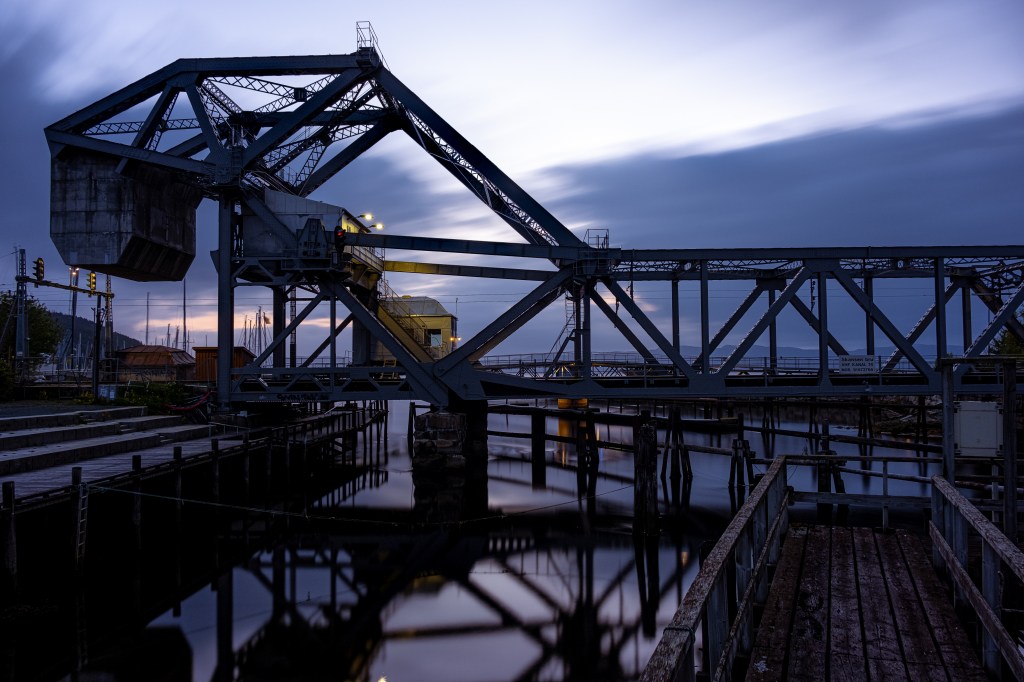
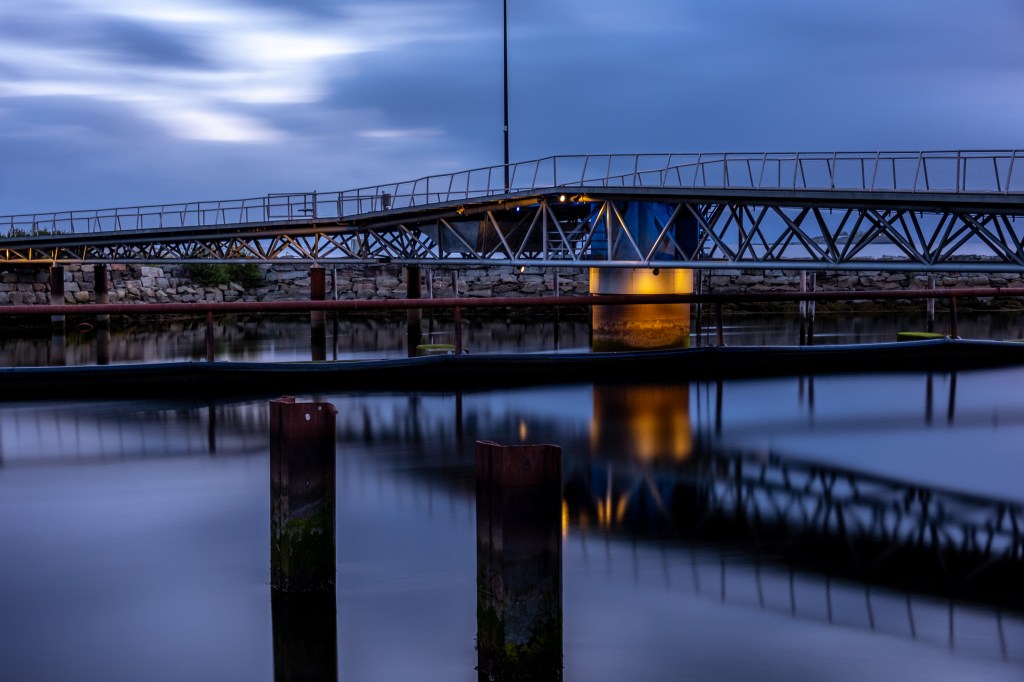
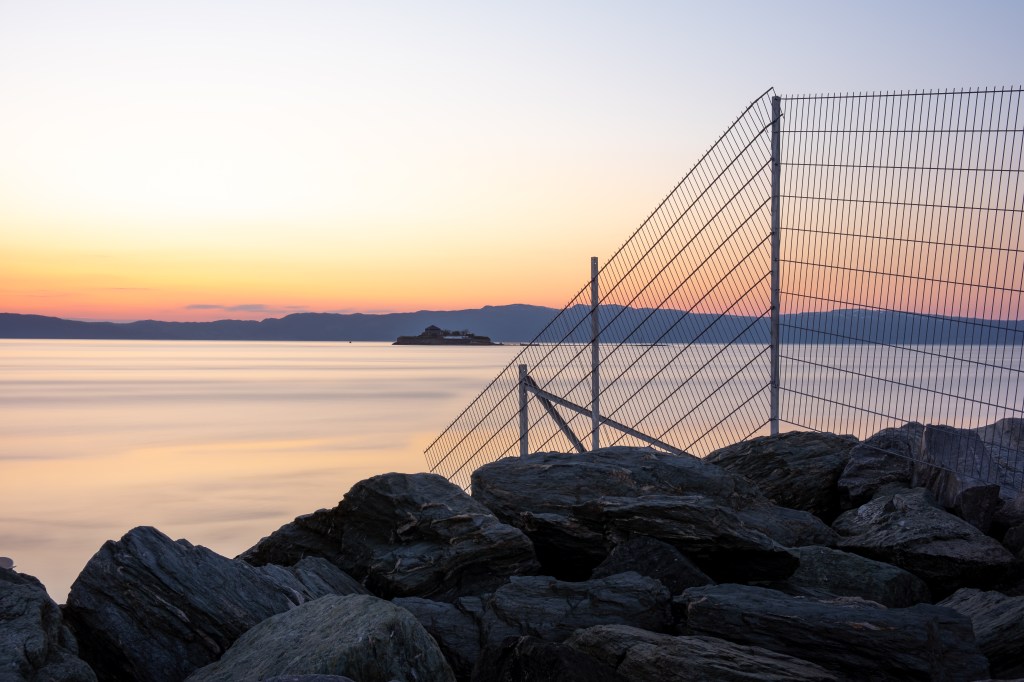
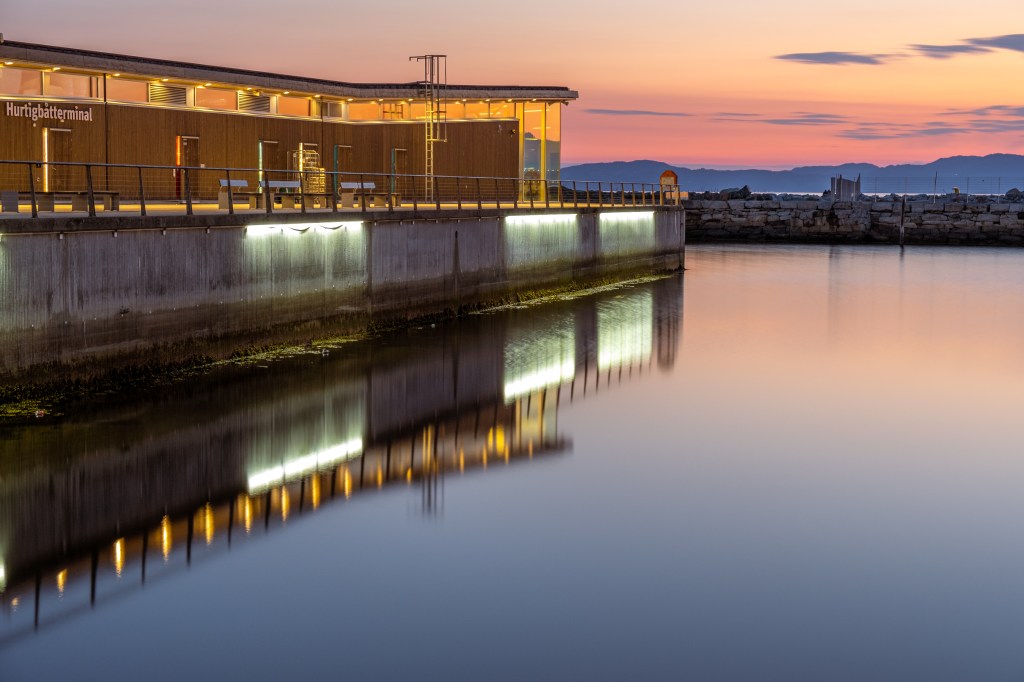
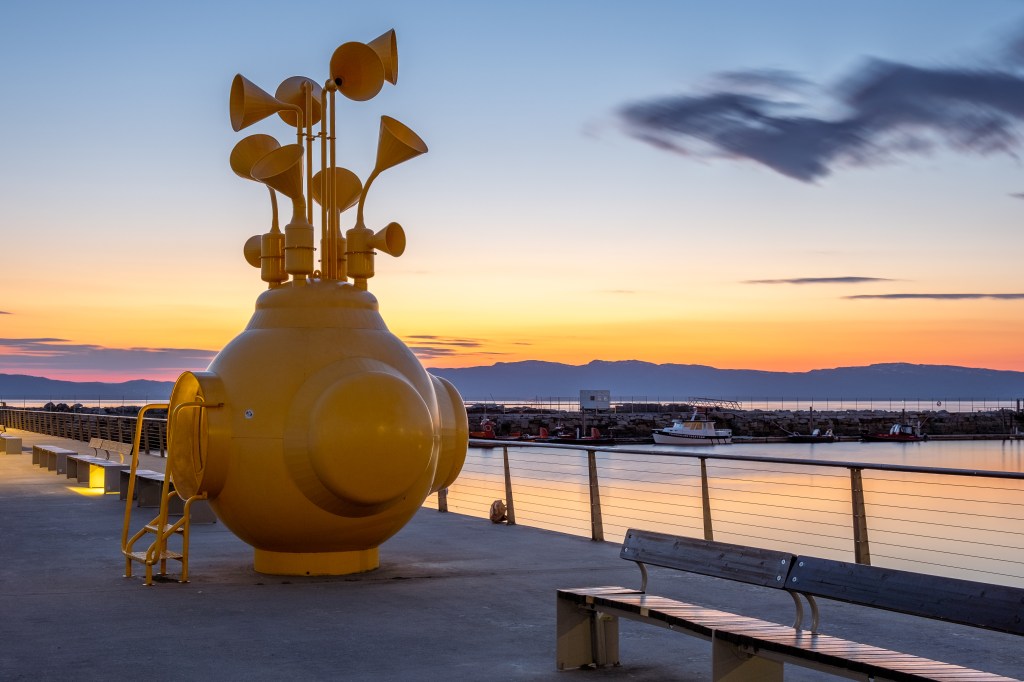
Norwegians have a very strong relationish with the sea. This was decisive for their survival and shaped their culture of explorers and conquerors living mainly along the sea coasts. Shortly before the year one thousand, Erik the Red together with his son left from the Norwegian coasts to conquer distant lands, arriving on the places that will later be called “Greenland”. Since the modern anthropization, industrialization and trade, have increased the population in Norwegian cities, the old direct relationship with the sea has changed. In Trondheim, the stretch of coast that defines the boundary line between the city and the sea is dotted with large industrial buildings and infrastructures, devoid of architectural value, and often out of scale. The relationship with the sea is visually fragmented and often impeded. A railway runs between the city and the sea becoming a physical border . What was once a horizon free from visual and physical obstacles is now fragmented by continuous points of interruption that prevents a total and comprehensive access to the sea. Despite these obstacles and the weather, the residents of Trondheim love sitting on the edges of the embankments and piers overlooking the sea to contemplate it. Its call is very strong.









Exhibitions
2025
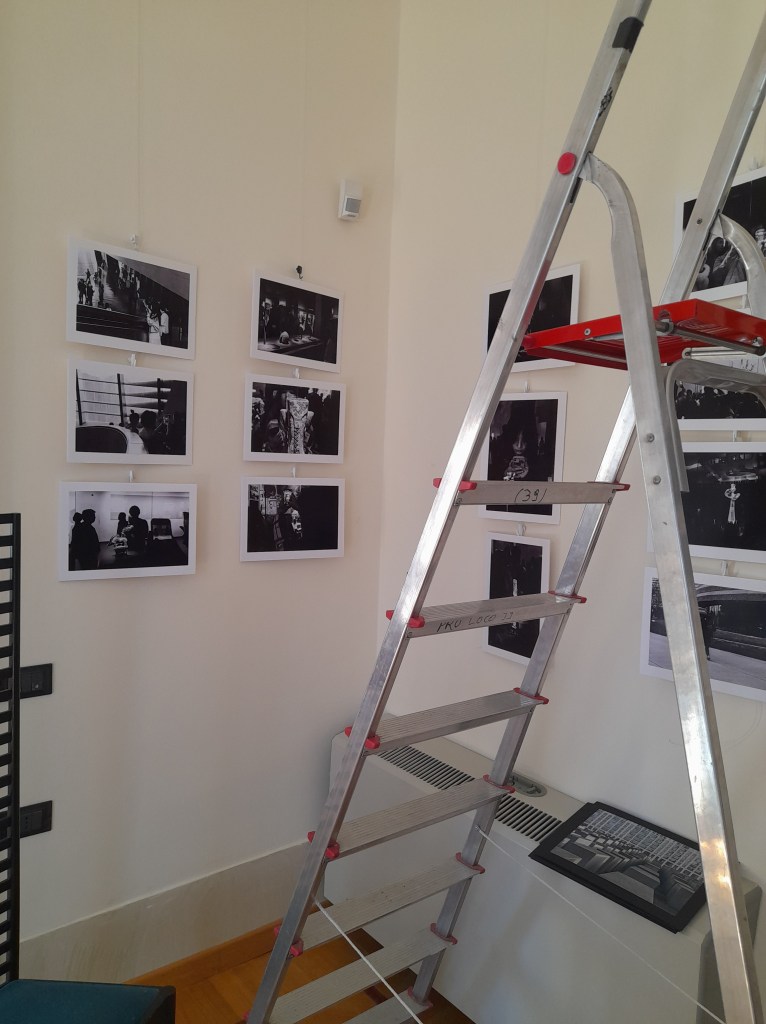
LAB FIAF 197 – Memorie/Memories – Exhibition at Villa Bernocchi, Premeno.




2022
A Journey to the SENSE-GARDEN VR
Akron Gallery (www.akrongallery.com) Decentraland (sense-garden.sciartlab.com).
The exhibition aims at creating public awareness on the possibilities the SENSE-GARDEN offers to people living with dementia and their families. “The SENSE-GARDEN is an innovative concept for care in dementia, using an immersive environment supported by digital technology, aiming at improving well-being in persons living with dementia. SENSE-GARDEN aims at improving cognition by providing stimuli to the different senses, such as sight, touch, hearing, balance and smell, and ultimately leading to re-connecting with people and the reality around.”[*]

[*] Serrano, J. Artur: ‘SENSE-GARDEN – A concept and technology for care and well-being in dementia treatment’ (Healthcare Technologies, 2021), ‘Digital Methods and Tools to Support Healthy Ageing’, Chap. 13, pp. 247-267, DOI: 10.1049/PBHE039E_ch13 IET Digital Library
Second place winner: Silver Vase

A precious and fragile bewilderment
2022
Water
Akron Gallery (www.akrongallery.com)
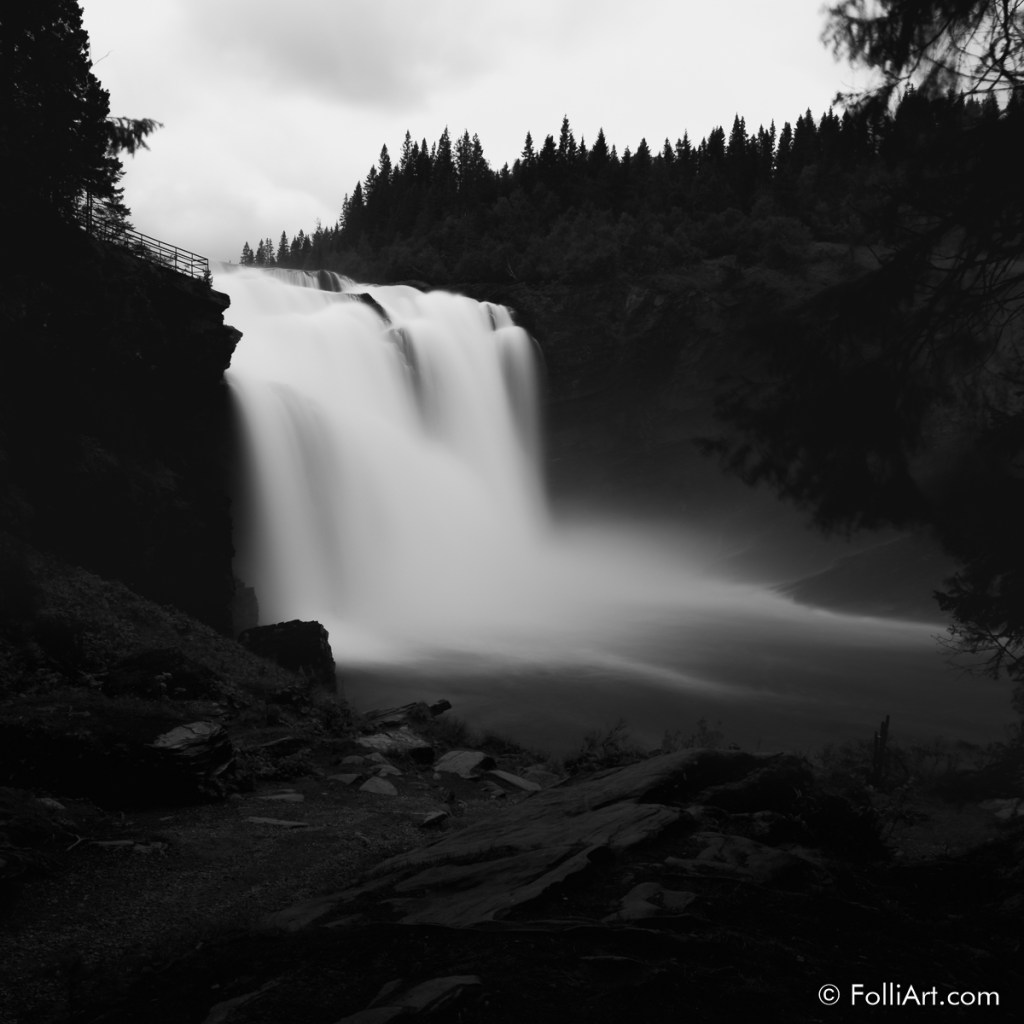
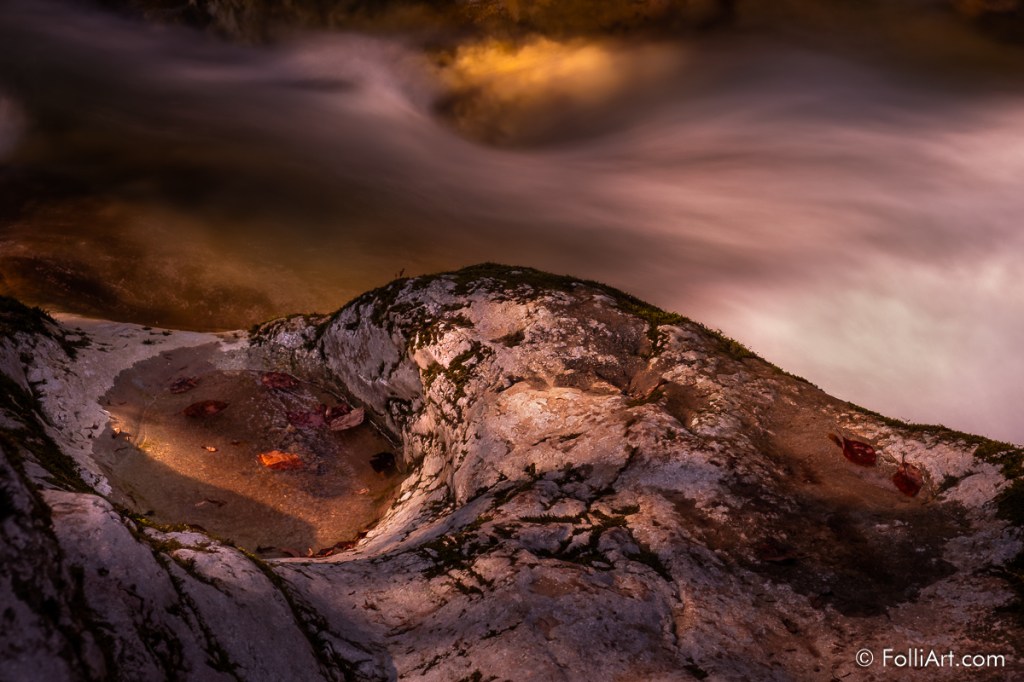
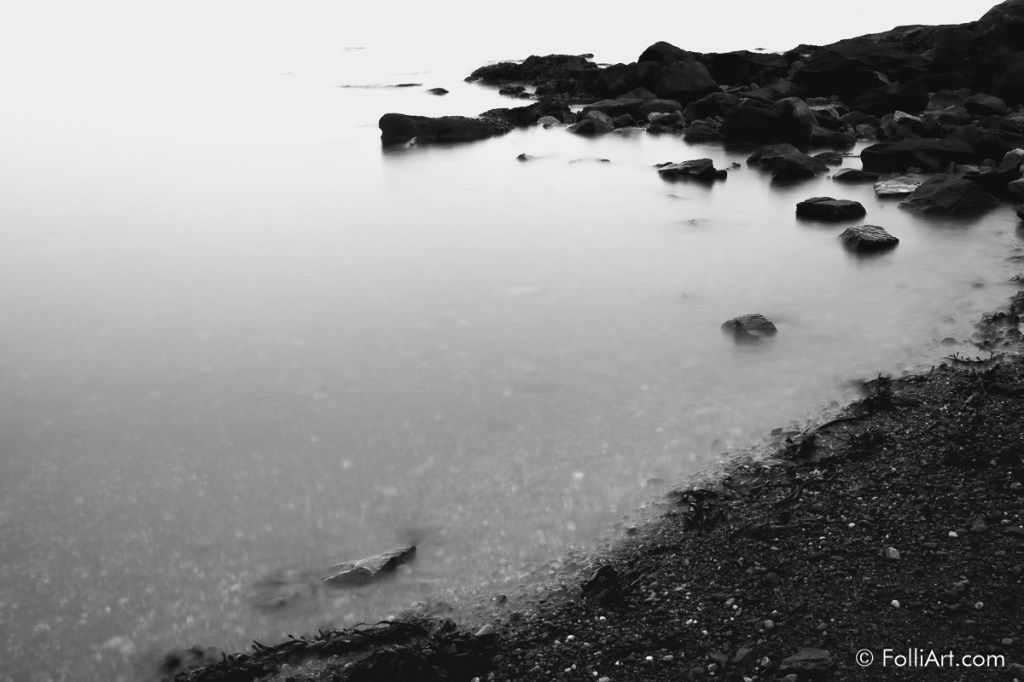
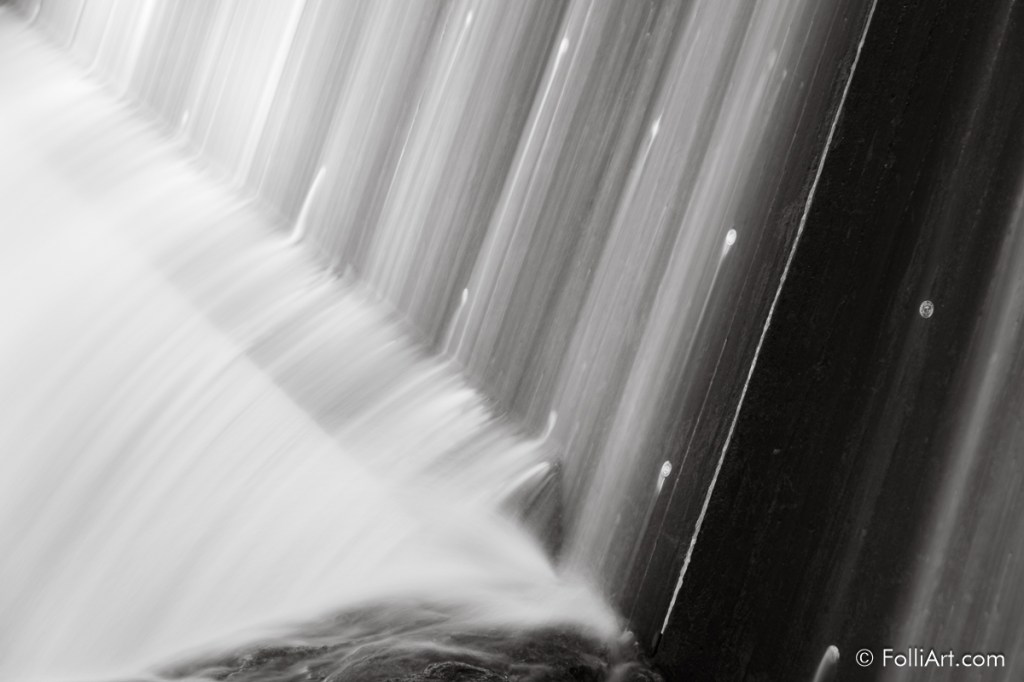
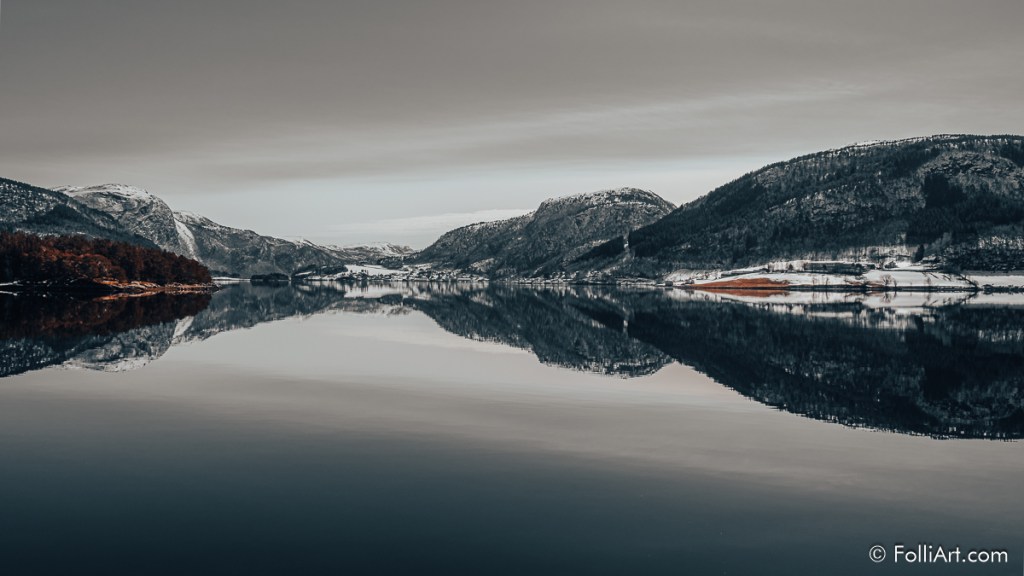
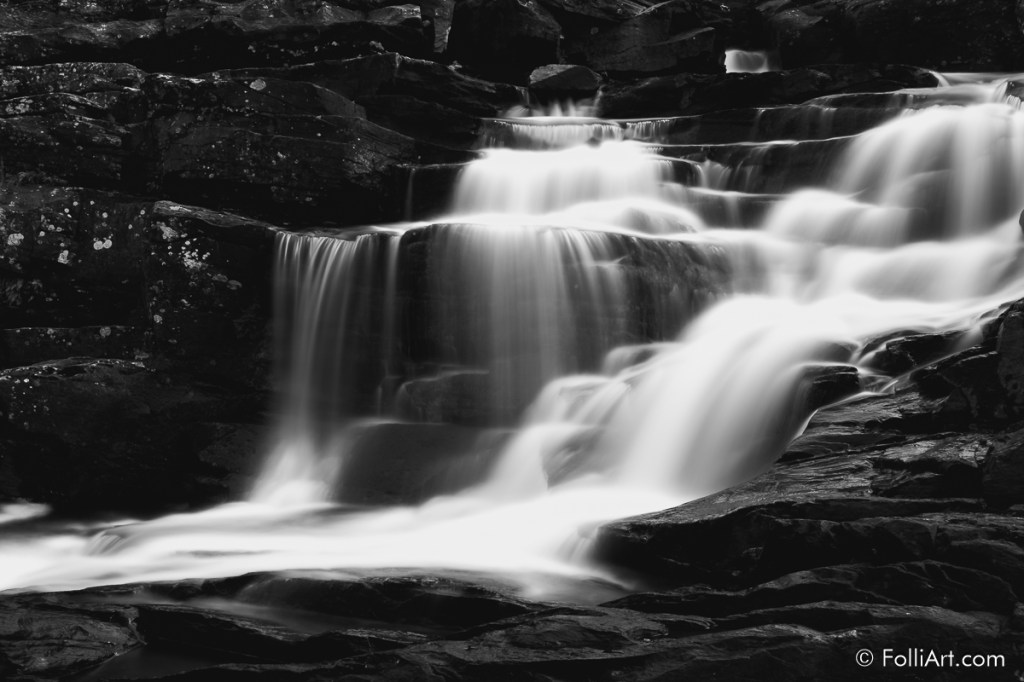
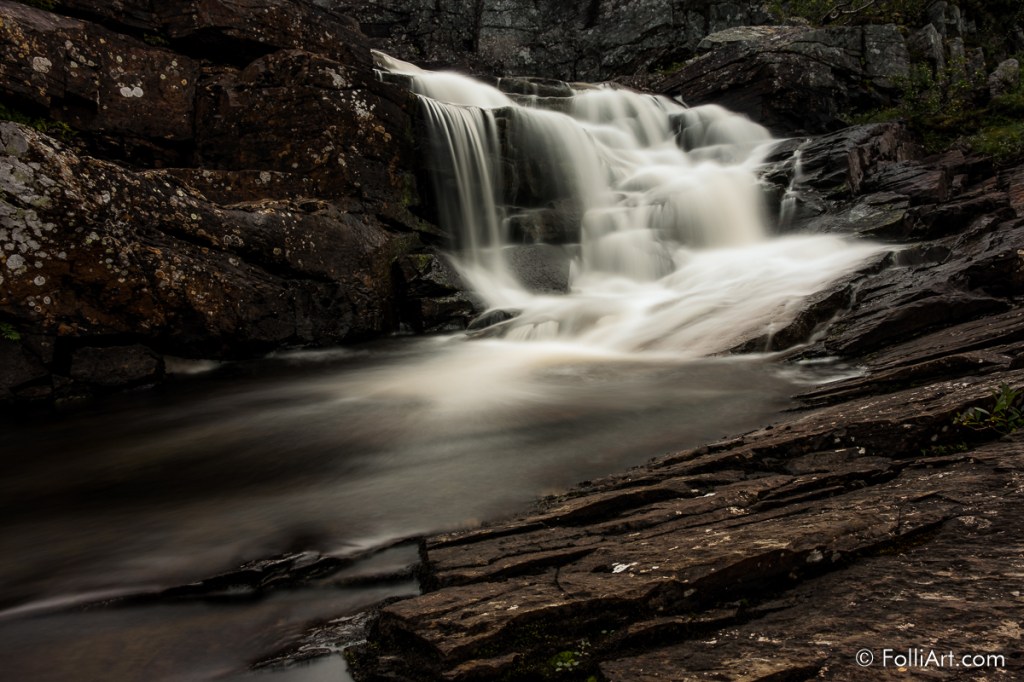
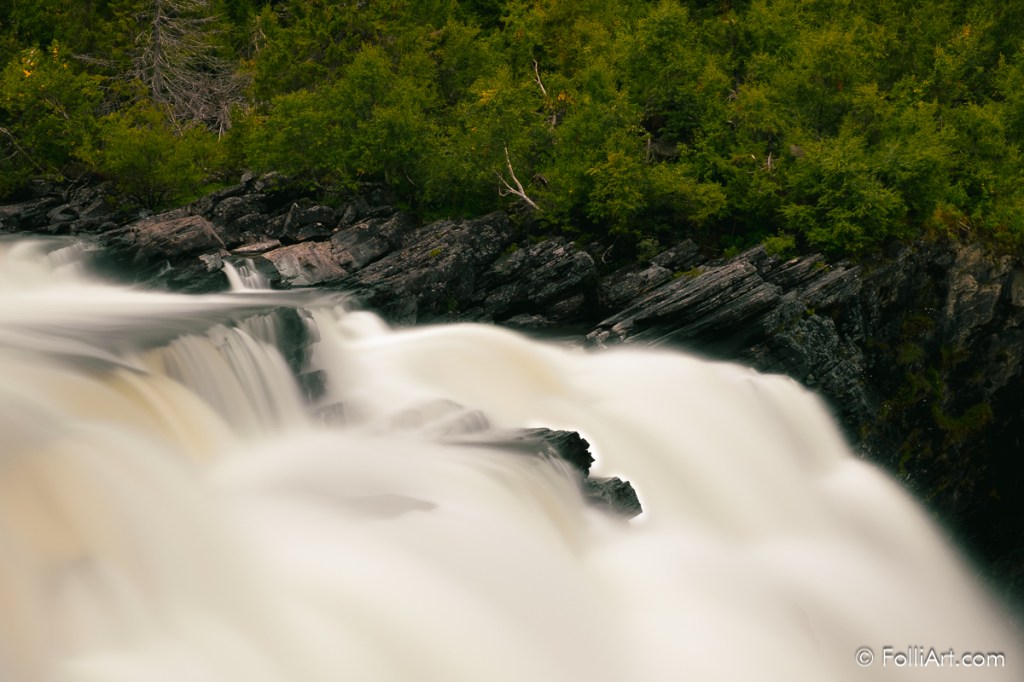
A collection of waterscapes, waterfalls, waterfronts, taken between Iceland, Norway, France, and Sweden. Water in its different appearances, from being a mirror, a soft curtain, a cottoncandy, a frosted glass, a rugged surface. I used various techniques of combining multiple shots, long exposure fotography, and filtering.






2018
Which way home ?
Akron Gallery (www.akrongallery.com)
Which way home ? renders a journey through Iceland, a land of dreamy and introspective landscapes, a metaphor of the search for identity. Each journey usually gives to the voyagers many gifts and discoveries, but it also raises questions about home: Where do I feel at home? What’s home? Which way home? For that reason, I have chosen to connect the pictures of this Iceland voyage to the play written by the Nobel Prize in Literature Derek Walcott “The Odyssey”, which is a modern adaptation of the Homeric poem and tells the wanderings of Odysseus: from the fallen Troy to his landing to Ithaca. The dialogues extracted from the play are like a silent talk between the characters, who I imagined live the scenes portrayed in the images, and the audience.

BEGINNING
Gone sing ’bout that man because his stories
please us,
Who saw trials and tempests for ten years after
Troy.
I’m Blind Billy Blue, my main man’s sea-smart
Odysseus,
Who the God of the Sea drove crazy and tried
to destroy.
D. Walcott, The Odyssey, Act I, Prologue

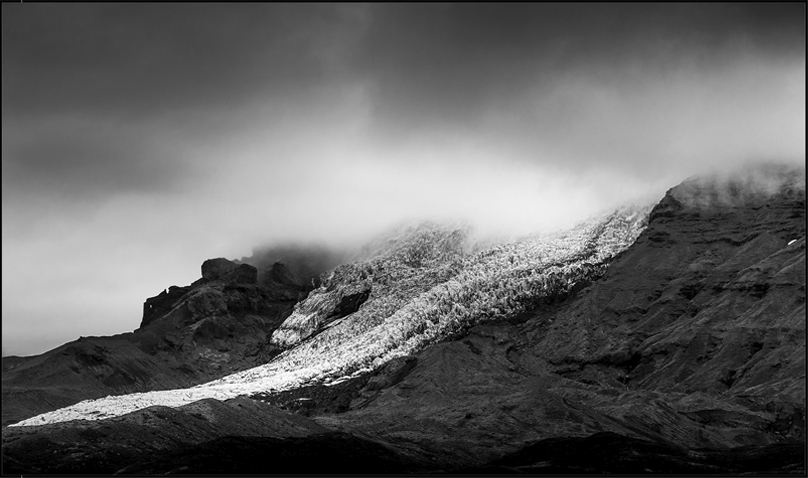
THE CYCLOP’S ISLAND I
A sea, like lead, heavy as time’s weight in
water,
And a sullen harbour, eternally overcast.
Not a seabird beating, a thousand years in the
future,
Time, altering the bodies where they were encased.
D. Walcott, The Odyssey, Act I, 7
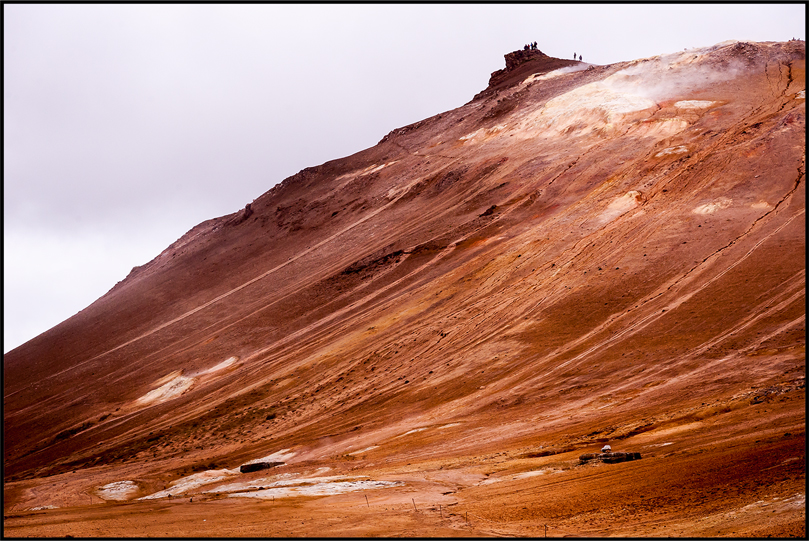
THE CYCLOP’S ISLAND II
Then imagine an iron island. Sunless. Cold.
I’m shivering.
The future is where we begin.
Is this just a dream?
No. A place where dreams are killed.
D. Walcott, The Odyssey, Act I, 7
THE RACE
Fleet the bare feet of runners racing on the
sand!
Their ankles whirr like hummingbirds towards
the laurel.
Extending their arms like swallows as they
reach the end,
Their thighs are blurred ovals passing breakers
of coral.
D. Walcott, The Odyssey, Act I, 7
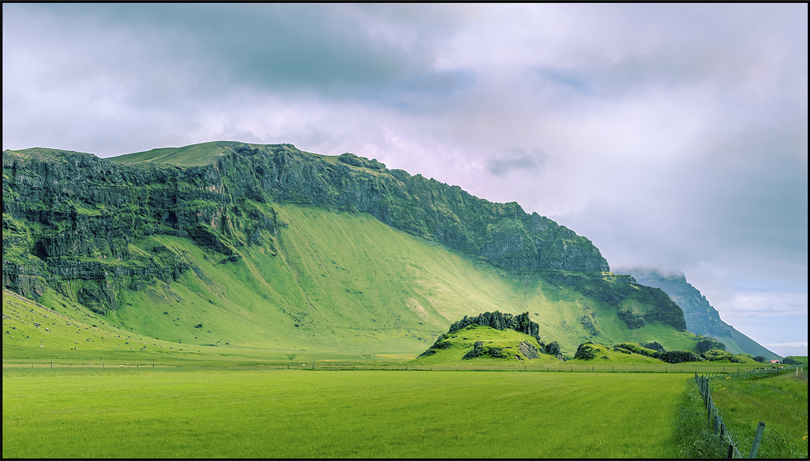
THE ISLAND OF CALYPSO
My emerald island
Between blue sea, and blue sky
The island of Calypso
Bacchanal
And carnival
Is the place to go
D. Walcott, The Odyssey, Act I, 10
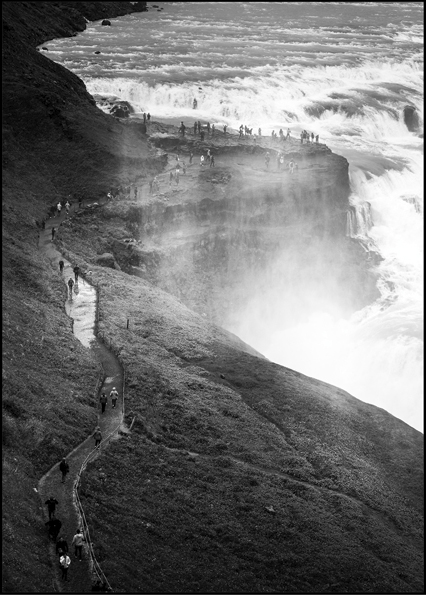
THE WORSHIPPERS
They worship the elements. They kneel like
you kneel.
Each god has his earthen root. Just a different
name.
They spin, possessed, around delirious altars.
Then wound the earth and descend to the place
of souls.
D. Walcott, The Odyssey, Act I, 10

THUNDERING PEACE
A sleeping sickness. They were felled by its
perfume. What is this place?
This place? An island that has all you desired.
It’s the falls.
The waterfall, thundering peace.
D. Walcott, The Odyssey, Act I, 10

SHADOW OF IMAGINATION
You must go down to hell.
Hell is the shadow of imagination.
I saw black Acheron fuming, that stinking
stream.
But those who cross to its bank can go no farther.
Go, where the chosen of gods alone can enter.
This crack in the heart-broken earth, here you
descend.
D. Walcott, The Odyssey, Act I, 12-13

SCYLLA AND CHARYBDIS
There’s Scylla and Charybdis.
Those dark cliffs dividing. Where the channel
boils?
It’s your only way home, Captain. You have no
choice.
Scylla, she goggles dolphins, with six writhing
necks.
And gargling Charybdis who sucks vessels
under.
D. Walcott, The Odyssey, Act I, 14

THE STATION
Why’re you here alone? Why’re you waiting
around?
It’s my station. Two coins for these white eyes,
sir, and I’ll prophesy.
You live here?
Correct.
Homeless?
No more than you, sir. So far as I see.
How far’s that?
The future.
D. Walcott, The Odyssey, Act I, 14

LONGWAY FROM HOME
Let his story be told, he’s a mariner bold,
The king of the tumbling foam. He’s been
scorched by the sun,
Bones cracked by the cold, but a long, long Sing
his song, song a long, long way from …
Home.
D. Walcott, The Odyssey, Act II, 1

THE MERMAIDS
Up them gull-hooked rocks, riddled with spray
like sponges.
They climb, one claw, then the next, above the
surf’s war.
To settle for their song. Then, from their jaws’
hinges,
Music comes, to break you heart with pleasure.
D. Walcott, The Odyssey, Act II, 1

REFLECTING CLOUDS
What work do you do, sir?
Keep hogs. Name’s Eumaeus.
Those clouds are building a storm. God help
every sail.
Look at those puddles lying like shields in the
sun.
Reflecting clouds and phantoms. Our passing
travail.
Our shadow slide over them, and then we’re
gone.
D. Walcott, The Odyssey, Act II, 2
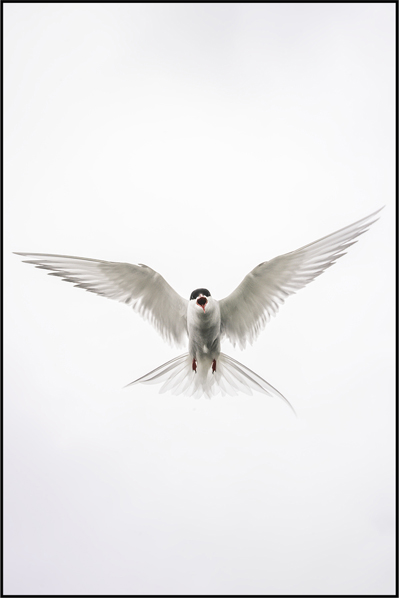
ATHENA
How did I get here? What island is this? Am I
sleeping?
You’re wide awake. This honeycombed rock is
your small kingdom.
Am I in Ithaca? I’m home?
Weep, weary man.
The swallows are screaming …
To deafen you with joy.
D. Walcott, The Odyssey, Act II, 2

ENDING
I sang of that man against whom the sea still
rages,
Who escaped its terrors, that despair could not
destroy,
Since that first blind singer, others will sing
down the ages
Of the heart in its harbour, then long years
after Troy.
D. Walcott, The Odyssey, Act II, 6
 FolliArt